Beyond the Swing Tag: What Leeds Boutique Owners Want You to Ask About Price
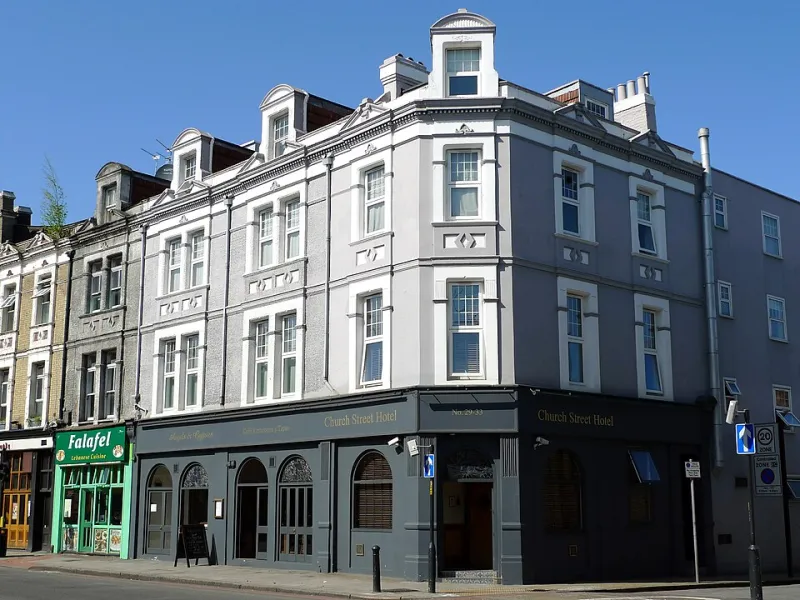
Photo: Ewan Munro, CC BY-SA 2.0, via Wikimedia Commons
There is a moment in a Leeds boutique when a shopper turns the swing tag over, pauses, and says nothing. The owner sees it. The shopper sees the owner seeing it. Everyone pretends to look at a rail of knitwear. It is a very British standoff, and it does neither side any favours.
Price is the most awkward conversation in independent retail. Shoppers worry they are being fleeced. Owners worry that explaining the margin sounds like a sob story. In conversations with independent retailers across Leeds, from the arcades to the neighbourhood high streets, the same request comes up again and again: ask us. Just ask us properly.
The number on the tag is a sentence, not a dare
A £95 jumper in a Leeds independent is not priced at £95 because the owner is having a laugh. It is priced at £95 because the fabric cost something, the maker was paid, the rent was paid, the card fee was paid, the lighting was paid for, the insurance was paid for and the owner needs to eat. Small-batch buying means smaller margins, not bigger ones. A shop that orders 12 pieces cannot negotiate the same wholesale price as a chain that orders 12,000.
That does not mean every price is automatically fair or that you must buy it. It means the tag is a sentence with a backstory. Asking about that backstory is allowed. Asking for a discount before you have said hello is not a conversation; it is a demand.
Why the sale rail arrives late, and why that is fine
Small shops cannot absorb discounts the way big chains can. A chain can plan a mid-season promotion months in advance and bury the cost in volume. An independent owner is often looking at a rail of 30 pieces and wondering whether a 20 per cent reduction will clear the size run or simply train customers to wait. That is why the sale rail in a Leeds boutique often arrives later and smaller than the one on Briggate.
It is also why sample sales, end-of-line rails and pre-order windows matter. They let a shop move stock without cutting the price on everything. If you love a boutique, do not treat the full-price rail as a waiting room for the sale. Sometimes the piece you want will not make it to sale in your size. Sometimes it will. That is the gamble.
How to ask about price without making it weird
- Ask an open question: ‘How did you choose this piece?’ or ‘Is this a small run?’ Owners usually enjoy talking about the maker.
- Ask about timing, not just money: ‘Do you have a sale coming up?’ is fair. ‘What is your best price?’ on the first visit is not.
- Ask about bundles if you are buying more than one piece. A small shop may be able to offer something on a two-piece purchase. Ask politely and accept the answer.
- Ask about pre-orders and deposits if your size has gone. This is often better for the shop than a discount and better for you than a missed piece.
- Do not photograph the tag to find it cheaper online while standing in the shop. If you want to compare, do it at home. The shop is not a showroom for a giant retailer.
Alterations are part of the price conversation
A good alteration can turn a nearly-right piece into the thing you wear most. Ask whether the shop offers alterations, who does them and what they cost. Some Leeds boutiques have a trusted tailor nearby. Some will pin a hem for you. Some will tell you honestly that the shoulders cannot be fixed. That is useful information.
Alterations are also a sustainable style issue. If a £120 coat needs a £20 hem to fit you properly, the real cost is £140. If that means you wear it for five winters instead of one, the cost per wear is still good. Ask before you buy, not after. A shop that handles alterations well is a shop worth keeping.
The real cost of small-batch buying
Small-batch fashion is not a marketing slogan. It means minimum order quantities, limited fabric runs, local makers, deadstock textiles and the risk of getting the size curve wrong. It means a boutique might stock only two of your size because two was the sensible bet. It means a repair service is not a gimmick but a way to keep a garment out of landfill. It means the price tag is doing more work than it looks.
That is why the most useful question is often not ‘Can I have money off?’ but ‘How do you want this to be looked after?’ Ask about washing, repairs, re-waxing, re-soleing and returns. A shop that answers those questions well is giving you value that does not show up on the swing tag.
A shopper’s checklist
- Say hello before you start turning tags.
- Ask about the maker, the fabric or the run size if you are curious.
- If price is a stretch, say so plainly. Owners can work with honesty better than silence.
- Ask about sales, pre-orders and alterations at the right moment.
- Do not demand a discount as a test of goodwill.
- If you buy online elsewhere, do not use the boutique as a fitting room. If you do use it to try sizes, buy something or be upfront.
The price tag tell-all is not really a tell-all. It is a reminder that independent shops in Leeds are run by people who have chosen a harder, slower way of doing business. You do not have to buy everything. You do not have to accept every price. But you can ask well. That costs nothing and keeps the conversation, and the shop, alive.