The Nearly-Right Rescue: Leeds Alteration Studios That Turn a Boutique Maybe Into a Yes
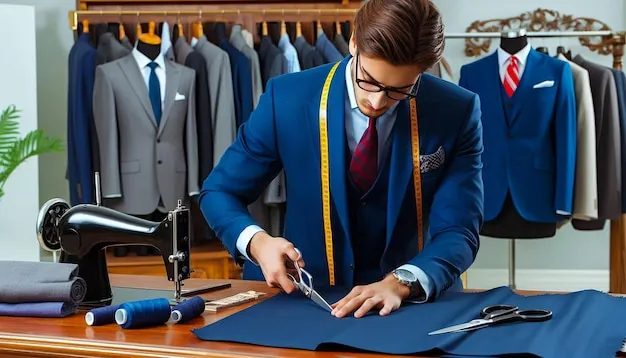
Photo: tailor pinning trousers in bright alteration studio fashion shopping, via img.freepik.com
There’s a particular kind of Leeds shopping moment that deserves more credit: you’re in a boutique, the fabric is right, the colour is right, the price is right, and then you catch your reflection and realise the trousers are an inch too long or the coat is generous across the shoulders. In 2026, with party season looming and independent rails looking especially good, the temptation is to buy it anyway and hope. The smarter move is to treat alterations as part of the purchase, not an afterthought.
A nearly-right find is not a compromise if you know what a tailor can realistically change. The trick is to shop with a seam allowance in mind — literally and financially — so a sale piece still feels worth it once it has been pinned, stitched and pressed.
Start with the fit, not the discount
Before you commit, do a quiet audit in the fitting room. Check the shoulders on jackets and coats first: those are the hardest and most expensive areas to alter. Look at the seam allowance inside — is there enough fabric to let out a little at the side seams? Ask yourself whether the piece is too big in a way that can be taken in cleanly, or too small in a way that will never feel comfortable. A bargain that hangs badly in the shoulders is not a bargain.
For trousers, put on the shoes you’ll actually wear. A hem measured in flats can look wrong with heeled boots, and party trousers often need a break that works with one specific pair. For dresses, check whether the waist can be nipped at the side seams rather than through the zip. For charity-shop coats, inspect the lining, the underarm fabric and any worn interfacing; a tailor can work wonders, but they can’t invent structure that has gone.
Where to look across Leeds
Leeds has a useful spread of alteration options if you match the job to the studio. City-centre tailors and alteration rooms around the Briggate and Queens Arcade end of town are handy for workday drop-offs and lunchtime fittings. Kirkgate Market has long been a practical stop for straightforward hems and minor repairs, especially if you’re already browsing the stalls. Neighbourhood tailors along Otley Road in Headingley, in Chapel Allerton and around Burley are worth asking about for everyday fixes and slightly more considered fittings.
For structured coats, occasionwear or anything with a lining, look for a studio that talks about fittings rather than just measurements. Independent boutiques often keep a card for the tailor they trust — ask them. That recommendation is often more useful than a generic online search, because they know who can handle a delicate cloth or a tricky shoulder.
What to ask at the counter
Go in with questions, not just a garment. Ask what can be done without changing the original shape, and what the tailor would leave alone. Request a pin fitting while you’re wearing the piece, if possible. Ask whether they’ll keep the original hem finish, whether they can blind-hem rather than top-stitch, and whether the price includes pressing. For a coat, ask about sleeve length and whether adjusting it will affect the buttons or cuff detail.
Turnaround is the other big question. A simple trouser hem might take three to seven days; taking in a waist or adjusting a dress could be one to two weeks; a lined coat or a more involved reshape may need two to three weeks. In the run-up to Christmas, those windows stretch. If you need something for a specific date in early December 2026, book now rather than assuming a quiet week will appear. Ask about express fees, collection times and whether they close over the holiday period.
Budget the alteration into the price
It helps to have a rough mental table. A simple hem is often in the region of £12–£25; taking in a waistband might be £20–£35; adjusting a dress at the sides could be £25–£50; coat sleeves or a more detailed jacket adjustment can run from £30 upwards. A full reline or reconstruction is a bigger project and should be quoted properly.
None of that means every discounted find is worth altering. If the purchase plus the alteration lands above what you’d happily pay for a similar piece that already fits, walk away. But if the garment is well made, the fabric is lovely and the fix is simple, the maths can work beautifully — especially on coats, occasionwear and pieces you’ll wear repeatedly.
A practical Leeds route
Make it a Saturday loop: browse the independent boutiques in the city centre, try the piece with the right shoes, then take it straight to a nearby alteration studio for a second opinion before the momentum wears off. If you’re in Headingley or Chapel Allerton, ask a local tailor to pin a charity-shop coat on the spot. Keep the receipt and collection date somewhere visible, and don’t leave a party-season alteration until the week of the event.
Alterations are not admin. They’re part of shopping well in Leeds — a way to make a nearly-right boutique buy feel like it was made for you, and to keep good clothes in wear for longer.