The Short Reserve: A Leeds Guide to Boutique Holds, Deposits and Payday Pick-Me-Ups
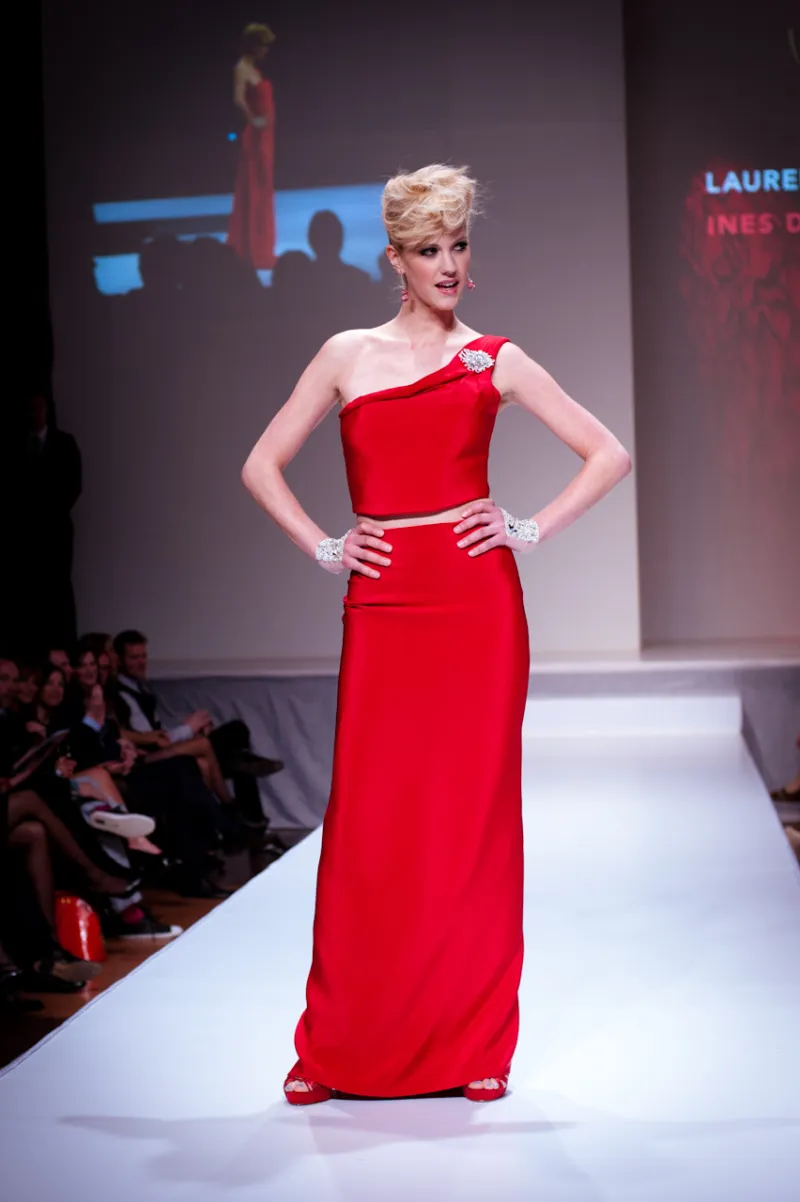
Photo: Jason Hargrove from New York, CC BY 2.0, via Wikimedia Commons
It happens every November. You spot the one: a velvet blazer in a Chapel Allerton window, a sequinned skirt on a rail near North Street, a knit you can already picture with your going-out trousers. Then you check your banking app and remember that payday is not today. The piece is right. The timing is wrong. This is where the short reserve comes in.
Leeds independents are not a monolith. Some will happily tuck a piece behind the counter for 48 hours. Some will take a deposit and keep it for a week. Some will say no, politely, because their till and their rail space are both doing important work. The trick is knowing which conversation you are having, and how to have it without turning a nice browse into a negotiation.
Hold versus deposit: the difference matters
A hold is usually a favour. No money changes hands, the shop takes the item off the rail for a short window, and you come back and pay in full. It is trust with a time limit. A deposit is more formal. You pay a percentage up front, usually somewhere between 10 and 20 per cent, and the shop keeps the piece for longer. Deposit terms vary wildly. Some are non-refundable. Some become store credit if you change your mind. Some are only offered on full-price pieces. Always ask before you hand over a card.
A payday reserve sits somewhere in between. It is an informal agreement to keep something back until a named date, often because you are a regular or because you have offered a deposit. It is not a legal right. It is a shopkeeper deciding that a good relationship is worth a small risk.
The unwritten rules
The first rule is ask early, not on Saturday afternoon when the queue is out the door. Midweek, before the lunch rush, is the sweet spot. The second rule is be specific. 'Can you hold this?' is vague. 'I'm paid on the 28th. Would you consider a short hold or a deposit until then?' gives them something to work with. The third rule is do not ask them to hold three things while you decide. One piece, one conversation.
The fourth rule is respect the no. Plenty of Leeds boutiques operate on tight cash flow and limited stock. If they cannot hold a party-season piece for a week, it is not personal. It is business. The fifth rule is collect when you say you will. A hold that overruns is a favour that curdles. If you are going to be late, ring them. Do not just leave it and hope.
What typical terms look like in Leeds
In the smaller independent rails around Chapel Allerton, Headingley and the streets off Kirkgate, a straight hold is often 24 to 48 hours. That is enough to cover a next-day decision or a quick bank transfer from a friend, not enough to cover a full pay cycle. For a longer window, expect to talk about a deposit. Ten per cent is common on lower-priced pieces, twenty per cent on something more expensive. Some shops will hold until a specific payday if you are a known face; most will not do it for a first-time customer without some money down.
The bigger the shop, the less likely the informal hold. The smaller and more owner-run the shop, the more likely they are to find a way. Vintage stalls in Kirkgate Market can be flexible if you catch them at the right moment, but they also have to pack up at the end of the day. The lesson is not to assume. Ask, listen, and work with the answer you get.
A smart route for securing a party-season buy
Start with the pieces you actually need, not the ones you are panic-buying because the invite says 'festive'. Do a first pass on a Tuesday or Wednesday. Try the piece on properly. Check the fit across the shoulders, the length, the way it sits with the shoes you already own. Then ask about a reserve.
If you are buying for a specific event, say so. 'I've got a do on the 5th and I'm paid on the 30th. Is there any way to keep this back?' is a reasonable question. If the answer is a deposit, ask what happens if the event is cancelled or the fit feels wrong at home. Get the terms straight before you pay. If the answer is no, ask if they can text you if it is still there after payday. Some shops will do that for free. It is a softer ask and it keeps the door open.
A practical route: begin in the neighbourhood independents where the owner is likely to be on the floor, then work towards the busier city-centre rails. Carry the payday date in your head. Know your budget for a deposit. And do not put a deposit on a credit card if the whole point is to wait for funds. That is just moving the problem.
The ask, without the awkwardness
Keep it short and human. Try: 'I love this, but I'm not paid until the 28th. Would you consider a short hold or a deposit?' Or: 'Is there any flexibility on keeping this back until Friday?' Avoid opening with 'I know you probably won't...' because you have already answered for them. Avoid haggling over the deposit amount. Avoid asking for a hold on a sale item, which is usually a non-starter.
If they say yes, repeat the terms back to them. 'So that's a ten per cent deposit, collection by the 29th, and the balance on collection. Is that right?' Get a receipt. Take a photo of the receipt. It sounds fussy, but it protects both of you.
The collection
Turn up when you said you would. Bring the balance. Do not renegotiate the price at the counter. If you have changed your mind, tell them before the hold expires, not after. If the deposit is non-refundable, ask whether it can go against something else in the shop. Many independents will offer store credit rather than keep money for nothing, but they are not obliged to.
And if the piece is not right when you get it home, treat that as a separate conversation. A hold is not a returns policy. Check the shop's normal terms before you commit.
Holds and deposits are small acts of faith. Leeds has plenty of boutiques willing to extend them, especially to people who are clear, punctual and polite. The short reserve is not a secret code. It is just a question, asked at the right time, with a plan attached.